FOCUS
About the Monsters and Spirits on this Island
Pei Yi Lin
2026.11.13


Much like a forest shrouded in mist, Taiwan's tales of the supernatural conceal countless obscure legends and strange stories. These monsters and spirits not only exist in folklore passed down through oral tradition, but also serve as a source of inspiration for contemporary creative works. From ancient legends to today's music, theater, literature, and even visual arts, Taiwan's culture of monsters and spirits continues to reveal infinite possibilities and innovations at the intersection of tradition and modernity.
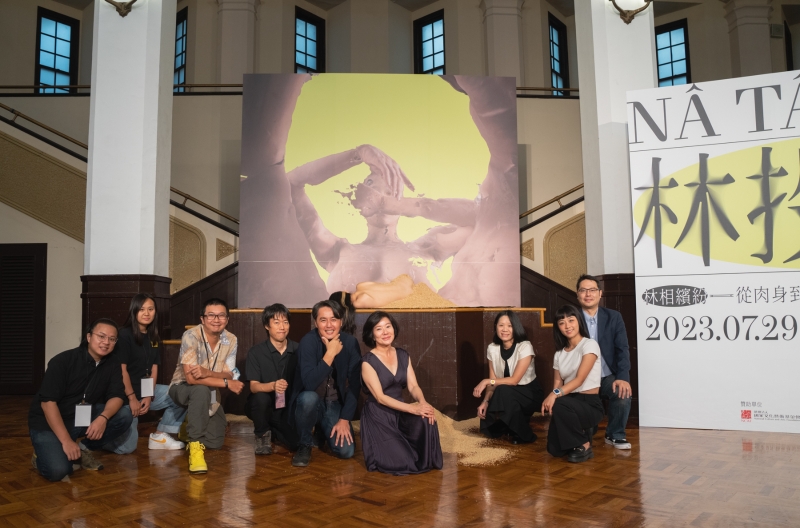
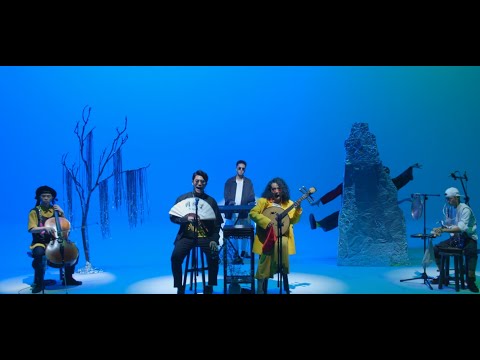
Sister Lin-Tou (林投姐), one of the most iconic spirits in Taiwan, has become an important subject for contemporary artists. Hsiao-Mei Ho (何曉玫)'s MeimageDance takes Sister Lin-Tou as the inspiration for their exploration of the female body, creating the work The lost limbo | NÂ TÂU —TSÍ Á. Through the exposure of the naked body, the work blends trauma and rebirth, building in the theater a space that exists between reality and illusion, where a dialectic unfolds between body and memory. In terms of interdisciplinary collaboration, there is A Root Yilan's A Root X Tetsutaro Take: Taiwan-Japan Yokai Culture Research and Music Creation Project. Through discussions with Japanese folk song and yokai music composer Tetsutaro Take, and drawing on Japan's successful experience in transforming yokai literature into contemporary creative works, the project developed a distinct form of Taiwanese yokai music, opening up a new horizon for Asian contemporary traditional music.
In literature, Charng-Ting Chiou (邱常婷)'s The Little Girl in Red Ghost Story Children's Novel Project incorporates urban legends with social issues such as child brides, school bullying, and children with mild intellectual disabilities, thus pioneering a new subgenre of children's novel. Yu-Lu Chen (陳育律)'s Ren'ai Metro Bus: Strange Taipei Tales Short Story Collection Project and Yu-Hua Wang (王幼華)'s The Supernatural Tales of Hua Qilin combine monsters and spirits with urban legends to create a world where fantasy and mystery coexist. Chuan-Ciao Luo (羅傳樵)'s novel The Jinmei's Murderous Magic (《金魅殺人魔術》) blends crime and supernatural legends, reshaping the enigmatic image of monsters and spirits within the framework of a suspense narrative.
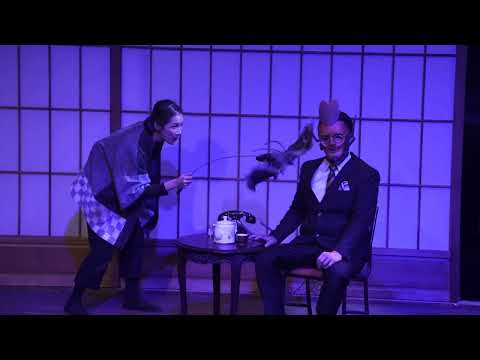
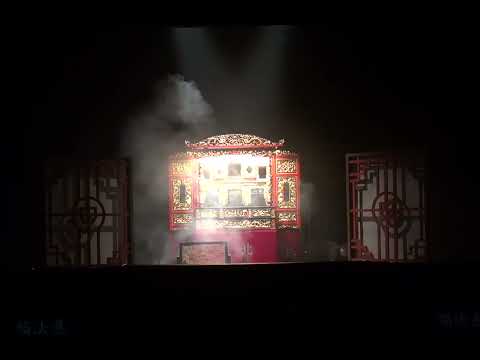
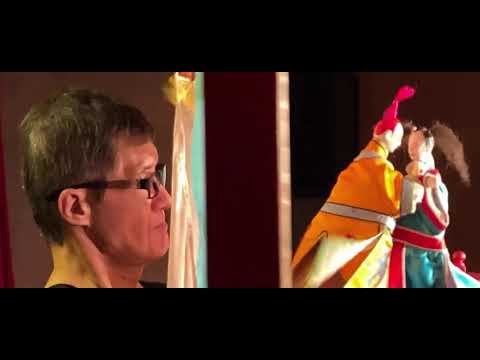
Such works also abound in theater, such as Representation Theatre's Isle of Freaks, Taipei Puppet Theater's The Daring Lying Lantern Monkey, and Chuan Hsi Yuan Puppet Theater's Aunt Tiger. Their theatrical language enables the audience to experience the mystery and charm of monsters and spirits through performance.
In terms of investigation and research, the Taipei Legend Studio conducted Spirit Search Chronicles: An Intimate Journey into the Island's Memories, a project which documents the researchers' field findings and historical evidence from their investigation into eleven legends of monsters and spirits. These findings are compiled alongside introductions to local attractions, presenting local cultural landscapes through photos and travelogues. Ching-Yao Ho (何敬堯)'s 300 Years of Taiwanese Supernatural Monsters is a research-based book that compiles written records of "Taiwanese yokai" and "supernatural tales" dating from as far back as 400 years ago, providing a comprehensive historical context for these legends.
These contemporary works not only retell traditional stories but also reinterpret them in a way that imbues monsters and spirits with new meanings. They represent both a continuation of the past and a response to contemporary society and individual psyches. In this cultural transformation, monsters and spirits gradually evolve beyond a simple symbol of terror, instead becoming a creative realm with profound cultural connotations. The diverse manifestations of Taiwan's culture of monsters and spirits not only keeps ancient legends alive but also makes the island's cultural landscape even more mystifying and captivating.
*Translator: Linguitronics
Explore Granted Projects
_1672387771726.png)