FOCUS
Beyond the Distance—The Power of Art
Hsieh Tzu Chiao
2026.09.30


When the world is plunged into chaos and war, when the media reports images from the battlefield, when we gaze upon the suffering of others...
How far away is war for those of us living beyond the distance? Do we have the courage to face the reality and cruelty of war happening far away?
At a time when the world is filled with pain, unease, and division, when bloodshed enters our field of vision and our hearts, and the anxiety about combat lurks in our everyday lives, we find ourselves wondering how we should respond and speak out firmly for the belief in life and peace.
How far away is war for those of us living beyond the distance? Do we have the courage to face the reality and cruelty of war happening far away?
At a time when the world is filled with pain, unease, and division, when bloodshed enters our field of vision and our hearts, and the anxiety about combat lurks in our everyday lives, we find ourselves wondering how we should respond and speak out firmly for the belief in life and peace.
At this point, what is the distance between art and war?
Through the "power of art", author Elie Wiesel poignantly describes the meaning and role of art: "The opposite of love is not hate, it's indifference. The opposite of art is not ugliness, it's indifference. The opposite of faith is not heresy, it's indifference. The opposite of life is not death, it's indifference."
In the face of today's global turmoil, how can art and culture speak out instead of remaining indifferent?
By embracing the neglected pains, anxieties, and vulnerabilities of life through observation, reflection, and creation, art can act as a profound response to humanity—a force of care for the world we live in.
Through the "power of art", author Elie Wiesel poignantly describes the meaning and role of art: "The opposite of love is not hate, it's indifference. The opposite of art is not ugliness, it's indifference. The opposite of faith is not heresy, it's indifference. The opposite of life is not death, it's indifference."
In the face of today's global turmoil, how can art and culture speak out instead of remaining indifferent?
By embracing the neglected pains, anxieties, and vulnerabilities of life through observation, reflection, and creation, art can act as a profound response to humanity—a force of care for the world we live in.
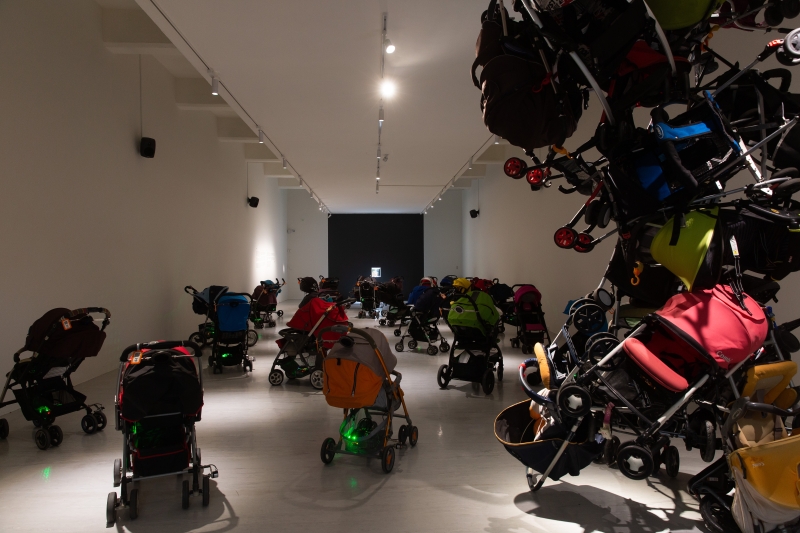
As art directly confronts the traumas of war, artist Ruey-Shiann Shyu' s (徐瑞憲) work Between II, from his project Between, originated from an art event: 109 baby carriages were placed in Lviv's Rynok Square to commemorate the 109 children whose lives were cut short by the Russo-Ukrainian War. Between II integrates kinetic art and sound installations, placing around 100 baby carriages within a soundscape representing the life stories of refugees, including messages from Ukrainians affected by the armed conflict, the sounds of artillery shells and sirens, and people wailing and chanting. Through the kinetic installation, the work invites viewers to push the baby carriages while listening to and interacting with these sounds of war, raising awareness of events in the world and enabling people to better understand the realities of life.
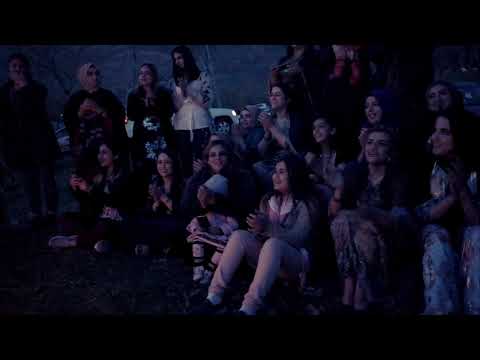
As photography, a visual record of culture, becomes a silent testimony to scenes of despair, Refugee Gun/Homeland on the Dark Side of the Moon Photography and Video Project is a continuation of Simon Chang's (張雍) 2015 documentary, Fleeing from the Dark Side of the Moon, which documented Europe's refugee crisis triggered by war. In 2018 and 2019, the project returned to the frontlines of displacement, venturing into the homeland of refugees previously encountered in the Kurdistan Region of Iraq. It used photography to document and collect the stories of those living in refugee camps. Witnessing the actual existence of these desperate, dark corners in the documentary photographs and confronting lives forced into migration, displacement, or erasure by war compels us to reflect on the fundamental human values hidden beneath the images, values we are bound to defend.
Illustrating how feelings about war intertwine with everyday experiences, Pei Lynn's (裴靈) art project Ordinary People in War reflects on how, even without experiencing actual bloodshed, the word "war" can feel alternately real and surreal. It alludes to the idea that feelings about combat resemble the clashes of values we encounter in everyday life. The project incorporates sculptures and installations to present elements and scenes of war, metaphorically depicting people in daily life as tiny soldiers in battle. Bombarded with the conflicts and chaos life throws at us now and then, the tug-of-war between different voices in our hearts resembles a battlefield. However, by holding on to distant hopes amid this discord and unease, we find the quiet strength to continue moving forward, fighting for our values and way of life.
Exploring how the looming threat of war becomes a part of daily life, the work Everyday War, part of the Goang-Ming Yuan (袁廣鳴) Experimental Art Project and on display at the 60th Venice Biennale Stranieri Ovunque—Foreigners Everywhere, reflects the crisis of security in a turbulent world. Everyday War depicts a peaceful, serene room that is suddenly shattered as objects explode in rapid succession. The tension created by these unexpected bombings illustrates the fragile reality of seemingly calm and beautiful moments, prone to crisis at any moment. The powerful visual imagery conveys how violence, conflict, and unease lurking beneath a tranquil surface have tacitly become a part of contemporary life. This prompts viewers to ponder the meaning of survival, safety, and living, as well as our profound longing for freedom and a secure shelter.
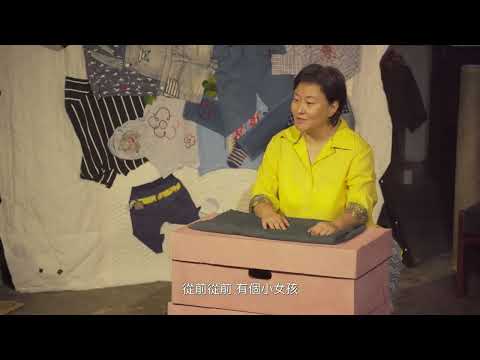
When the pain and cruelty of war proves hard to articulate, how do we explain news reports of armed conflict to children who have never experienced it? Slow Island Theatre Group's Children's Secret Delivery is a stage play written for kids that explores the lives of little ones during wartime. With a relatable story and vivid performances, the play follows a patchwork artist receiving packages via express delivery from around the world, each revealing the realities faced by children fleeing armed conflict. As the story unfolds, we reflect on the reasons people go to war. The packages represent not only the kids affected by distant conflicts but also our hope for a peaceful future.
When art transforms into tangible action instead of indifference, it leads us to contemplate, respond to, and confront wars happening afar. Thus, art can also act as a powerful force reflecting and standing against the chaos, unease, and fragility of the world.
At this moment, when we think "beyond the distance", if we become willing to care more about our shared world instead of staying indifferent, faraway lands cease to be at a "distance"—their real existence merits our unwavering support and belief in peace.
*Translator: Linguitronics
Explore Granted Projects
,1405045,木,2017,台北國際藝術博覽會,台北世貿一館1_0_1556173759723.jpg)

_1672387771726.png)