OUTLOOK
A Study of Taiwan’s Contemporary Dance Scene between 2019 and 2023 in the Context of Media, Aesthetics, and Ecosystem
Fan Xiang-Jun
2026.05.29


The Transforming Dance Ecosystem and the Growing Need for Archival Research
Over the past decade, Taiwan’s performing arts ecosystem has undergone structural transformation. The successive openings of large venues – including the National Taichung Theater, the National Kaohsiung Center for the Arts (Weiwuying), and the Taipei Performing Arts Center – have introduced new production standards and international perspectives, while also paving the way for domestic and international networks. Meanwhile, major dance companies have experienced generational shifts. Cloud Gate passed its torch from the founder Lin Huai-Min to Cheng Tsung-Lung in 2019; Neo-Classic Dance Company lost its founder and artistic director Liu Feng-Shueh in 2023; and mid-sized, long-established dance companies such as Dance Forum Taipei and Sun-Shier Dance Theatre also adjusted their focus and took on different roles. These changes usher in a new phase in the reshaping of Taiwan’s dance scene.
Apart from the internal transformations within Taiwan’s performing arts ecosystem and modern/contemporary dance scene as mentioned above, the global COVID-19 pandemic, which started in December 2019, undoubtedly had the most disruptive and catalytic impact that fundamentally challenged the inherent liveness of dance as an art form. Although Taiwan appeared to be less affected by the global outbreak, rehearsals, performances and international tours were still suspended due to their communal nature, prompting performing arts groups to seek alternative ways to continue their creative and production work. From the stagnation of live performances to the surge of online media, dance creation in this period was drawn into rapid digital transformation and media experimentation.
This essay aims to conduct an in-depth review and analysis of the dance projects funded by the National Culture and Arts Foundation’s (NCAF) Regular Grants program from 2019 to 2023 through the NCAF Online Grant Portfolio Archive, in order to explore the substantive changes in Taiwan’s contemporary dance scene in the context of creative media, bodily aesthetics, and ecosystem under the interlinked influences of increasing venues, the pandemic, and generational shifts, thus reflecting recent developments over the past five years. The records also reveal a growing interest in archival work (including building databases or documentary-making), historical retrospection and curatorial practices among many dance companies. While this can be seen as part of a broader “curatorial trend” in performing arts, it also demonstrates an urgent need to reposition and recontextualize personal histories and the overall development of dance amid generational shifts. The transition from “looking ahead to create” to “looking inward to re-coordinate” provides a crucial lens for understanding the dance scene during this period. Accordingly, this essay draws on the dance projects under the Regular Grants program, with records in the NCAF Online Grant Portfolio Archive, to examine the three main aspects that characterize Taiwan’s dance creations over the past 5 years: the trend of dance video as a creative medium and reflections on its development; the development of platforms and collective action; and the growing interest in archival work, historical retrospection, and curatorial creation. 1
When Performing Arts Went Online and On Screen: From Emergency Measures to Aesthetic Potential
The impact of the COVID-19 pandemic was most obvious in the surge of media-related projects within the NCAF Grants Program for Dance Groups and Individual Artists. The significant increase in the number of dance video projects since 2020 can be broadly divided into the following categories: the first involves the online presentation of live performance – as how one usually relates “video” to dance. An example is Sun-Shier Dance Theatre’s online presentation of In Time You Will 2.0 (funded in 2022 under “Performance”) in pair with its live performance. 2 The second category consists of projects that employ video as a medium for creative work to respond to the unprecedented conditions during the pandemic. Examples include Australia-Taiwan Online Residency Exchange (funded in 2020 under “Special Projects”) and FreeFrames -- Dance x Video x Design (funded in 2022 under “Artist Associate”), both initiated by HORSE Dance Theater. The former reflects how dance practitioners around the world rapidly adapted to the ever-changing conditions of the pandemic and began to adopt newly developed digital and online-based mindset and working methods. The latter invited video artist Lee Shiun-Huan in a residencyproject for an inquiry into the growing trend of mediated performing arts during the pandemic. By drawing on the multi-perspectival capabilities of the camera, the project sought to explore how different digital media foster alternative spectatorial experiences beyond the conventional dance-video relation of documenting live performances. The two categories discussed above address the online and screen-based performances and the reconsideration of working methods in a manner that constitutes a direct response to the impact of the pandemic.
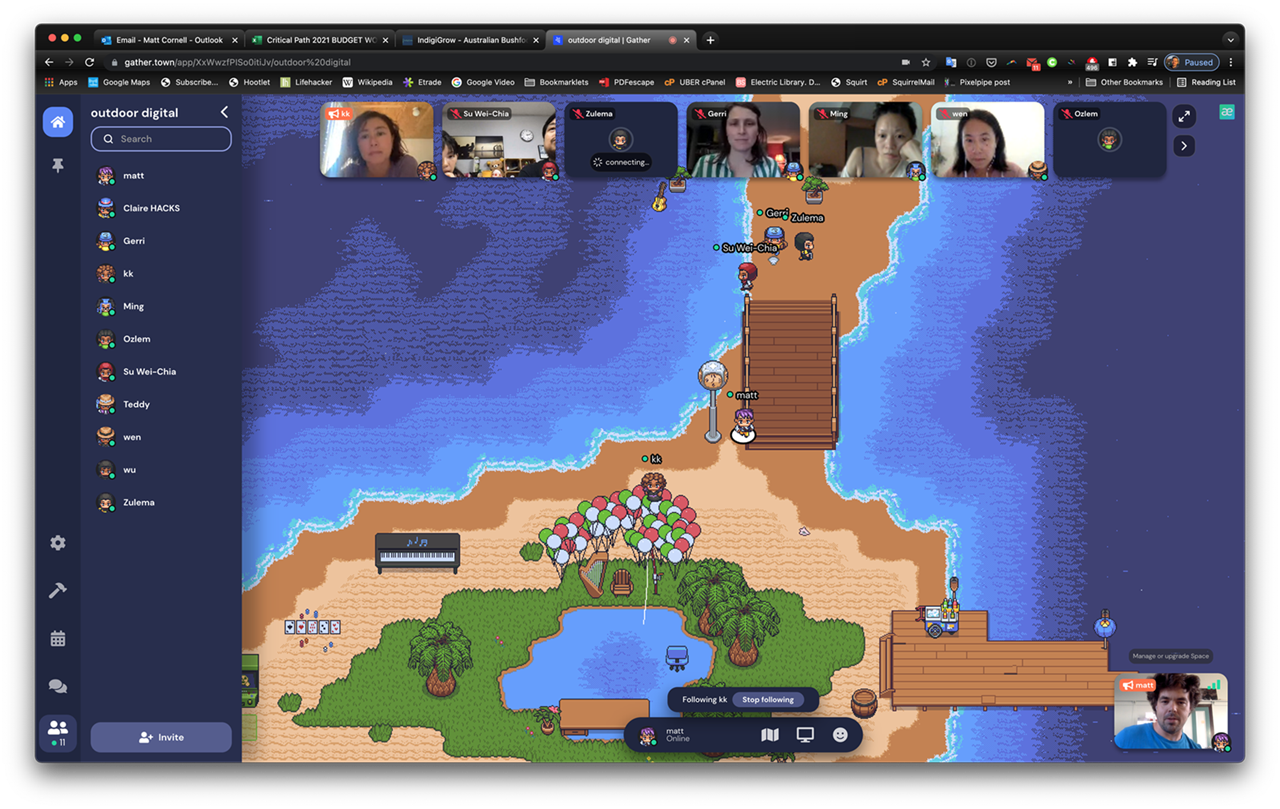
During the pandemic, HORSE Dance Theater leveraged the Internet and digital technologies to transform its residency experiences into an exploration of potential digital practices.
The third category encompasses funded dance projects focusing on aesthetic experimentation with the body, video, and mediatized dance, without explicitly referencing the impact of the pandemic according to the archived records. Examples include Huang Chih Chia’s short dance film project Those Who Pass By (funded in 2021 under “Creation”), Wang Ning’s [ ]Body, Camera, Improvisation: video-dance research (funded in 2022 under “Creation”), Chang Dance Theatre’s What is Danger – a dance-video project (funded in 2023 under “Special Project”), and Luo Sih-Wei’s Shadow: A Preliminary Experimental Dance Video Project (funded in 2023 under “Creation”). Although these archived records do not directly relate to the impact of the pandemic in terms of their creative concepts and approaches, my interviews with several artists still reveal traces of its influence on the performing arts ecosystem and how it affected artists’ later practices and development.
In my interview with Wang Ning, the dance artist described several previous invitations that had encouraged her to reconsider the relationship between dance, body, and video. In Dance with ME – the Dance Video Relay Project under New Taipei City’s Performing Arts Online Program, she was invited to choreograph a five-minute short dance video under the theme of “stay-at-home” experiences during the pandemic. At Play Arts Festival, Wang created a 30-minute short documentary in response to the suspension of stage performances, while the “14” project, co-organized by Chen Wu-Kang of HORSE Dance Theater and video artist Sun Ruey-Horng, envisioned a vacuumed theatre without a live audience to create a 14-minute solo dance streamed online.
These invitations between 2021 and 2022 became the motivation for her 2022 proposal [ ]Body, Camera, Improvisation: video-dance research. Nevertheless, an aesthetic continuity can be traced back to Wang’s The Other, presented in 2018 as part of the NCAF-held project “Young Star New Vision,” in which she began to explore the relationship between body and gaze. In other words, [ ]Body, Camera, Improvisation: video-dance research, developed during the pandemic, was built on the abovementioned technical practices involving the body and video, while also extending the aesthetic inquiry of her earlier works.
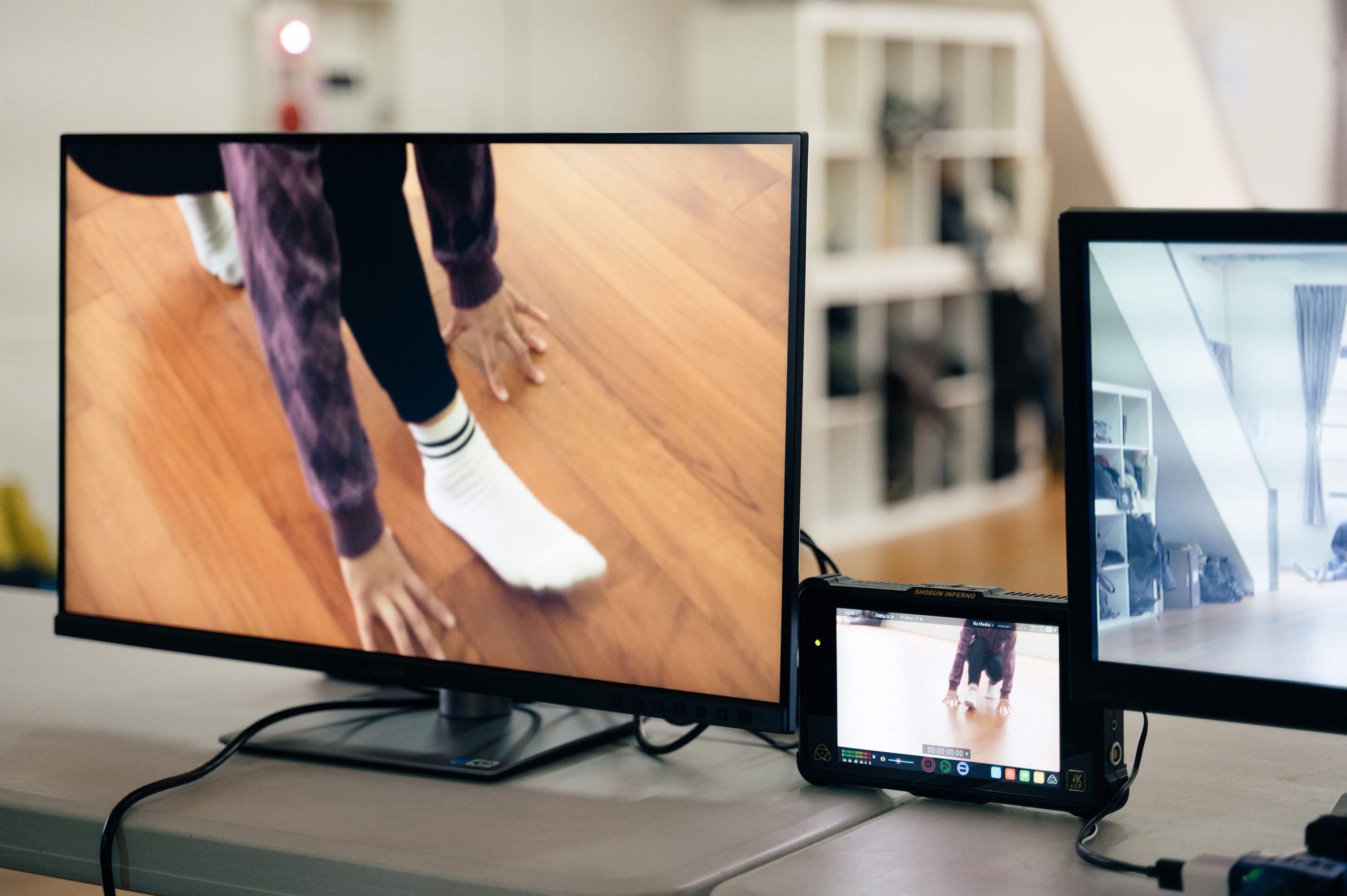
Wang Ning’s preliminary experimental dance video project explores “process” and “relationality” through creative research.
So here arises the question: as the constantly evolving coronavirus causes much less societal harm in 2025, do attempts to bring performing arts online and on screen, or the aesthetic exploration of the relationship between dance, body, video, remain relevant? Is there still room for the development of dance video within today’s performing arts ecosystem? While the NCAF online archive does not cover the whole picture, it does offer a clue: among the dance projects funded under the 2024 Regular Grants program, no related topic can be found. The examples discussed above are mostly confined to the years 2020–2023. It is reasonable to conclude that online performances and the practice of working methods were immediate reactions to the pandemic. However, there are still artists and dance groups who continue to aesthetically explore and practice the relationship between dance, body, and video.
Peng Hsiao-Yin, director of Dancecology, plays a significant role, together with her collaborators Chen Yi-Shu and Tseng Huan-Shin, as well as film directors Maurice Lai and William Lü, in establishing a dance video community network. Dancecology’s first NCAF-funded project for this network was Island Bodyscapes: An Island-Wide Dance Film Project (funded in 2020 under “Special Project”), while subsequent projects from 2021 through 2024 appeared under the title “Dancescreen Collective Taiwan” in the NCAF online archive. These archived records clearly demonstrate how the team has gradually accumulated creative and network momentum with the support of the grant mechanism. In fact, before the initiation of the Dancescreen Collective Taiwan in 2020, Dancecology had already received funding for their four dance film-related projects in 2017 and 2019: two were supported under “International Cultural Exchange,” including the two trips to Australia for a dance-film workshop and a theatre project for dance-film development; the other two were funded under the Regular Dance Grants, including a dance film exhibition (under “Curation”) and a dance film workshop (under “Professional Development-Domestic”).3 It is worth noting that the surge of dance video projects within the grants program during the pandemic may be seen as a “trend,” but its sustained development depends largely on funding and technical support – especially with the rapid emergence of video technology, artists and dance groups must carefully navigate the balance between technological advancement and aesthetic exploration. In this context, attempting to trace the later development of dance video creation through the NCAF Online Archive has its limitation, since funding for technological application in dance creation often comes from other sources. However, Dancecology provides a clear paradigm for long-term development supported by the NCAF grants. Its funded projects over the years demonstrate that pre-pandemic dedication has built a better foundation for post-pandemic practice and creation, while long-term planning through groundwork such as workshops, curations, domestic and international exchanges remain crucial.
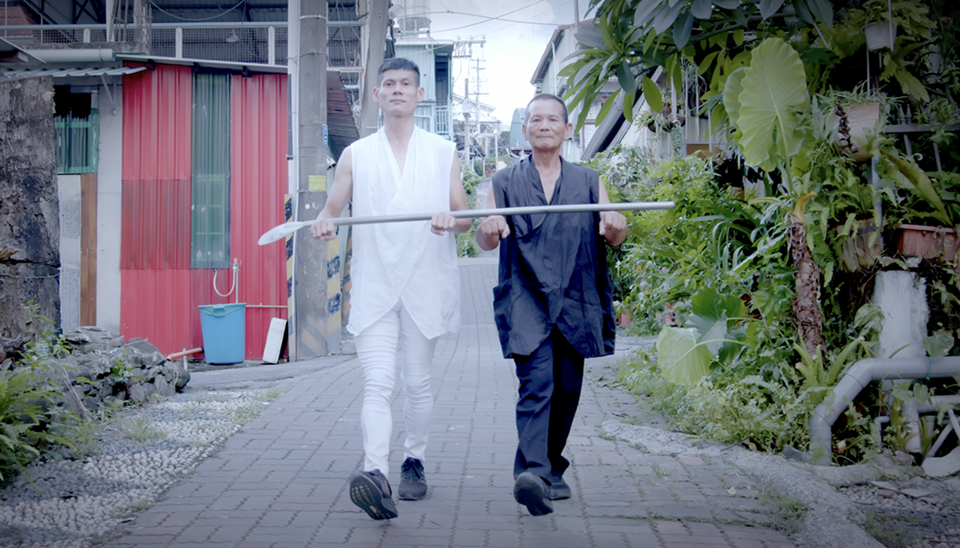
Dancecology’s Island Bodyscapes: An Island-Wide Dance Film Project centered on site-specific creation and filmmaking with in-depth engagement with local art and cultural groups. The image shows a still from Two For The Road (2023) by Peng Hsiao-Yin.
Platforms and Collective Action: A Place for Gathering, Presentation, and Creation
Another observation from the funded projects between 2019 and 2023 during the pandemic is the concern for the mental and physical challenges faced by art professionals and the effort to build communities against social distancing. These examples include Mai-Ti Dance Company’s Island-walking Artists Project (funded in 2021 under “Special Project”), which “invited artists from different parts of Taiwan to engage in issue-based creation through diverse, interdisciplinary artistic practices informed by their in-depth observations of the ecosystem, transforming pandemic restrictions into creative approaches and making arts a social action.”4 Meanwhile, one of the motivations behind Dancecology’s Dancescreen Collective Taiwan, apart from the continual exploration of dance video aesthetics, was the unexpected leeway during the pandemic that finally allowed the key collaborators to carefully consider their community-building work. 5 The team thus decided on bringing the project around the island as the core action.
Unlike conventional performance-based platforms such as the long-established Sun-Shier Salon and the NCAF’s “Young Star New Vision,” as well as the 2016-founded Chiayi Dance Platform, many independent platforms that emerged between 2020 and 2023 are oriented toward professional training, ecosystem thinking and network building. These examples include, Taiwan Dancing Forward Collective (funded in 2023 under “Research”), and Body Park’s Dance Marathon funded in 2023 under “Special Project.” As for their later developments: Taiwan Dancing Forward Collective’s most recent activity was a lecture held in July 2025; Body Park’s Dance Marathon, meanwhile, has continued as a two-day event taking place at the end of each year, where voluntary artists present their creative proposals and engage in discussions with guest practitioners and other participants to stimulate collective thinking. Among these two independent platforms, Taiwan Dancing Forward Collective focuses on reflections and discussions concerning dance professionals and the broader ecosystem, while Dance Marathon, featuring early-stage creative proposals, highlight an explorative nature for creative research and work in development.
In other words, both Island Collective for Body Experiments and Dance Marathon are similar to other performance-based platforms, though they emphasize the early-stage exploration rather than the presentation of completed works. Prioritizing domestic performing arts professionals, both platforms demonstrate an ecosystem-based effort to create a field for self-development, professional training, and network building. Taken together, the platforms emerging between 2019 and 2023 during the pandemic appear to reflect an inclination toward collectivity and connectivity in response to the peculiar social and interpersonal conditions of that period.
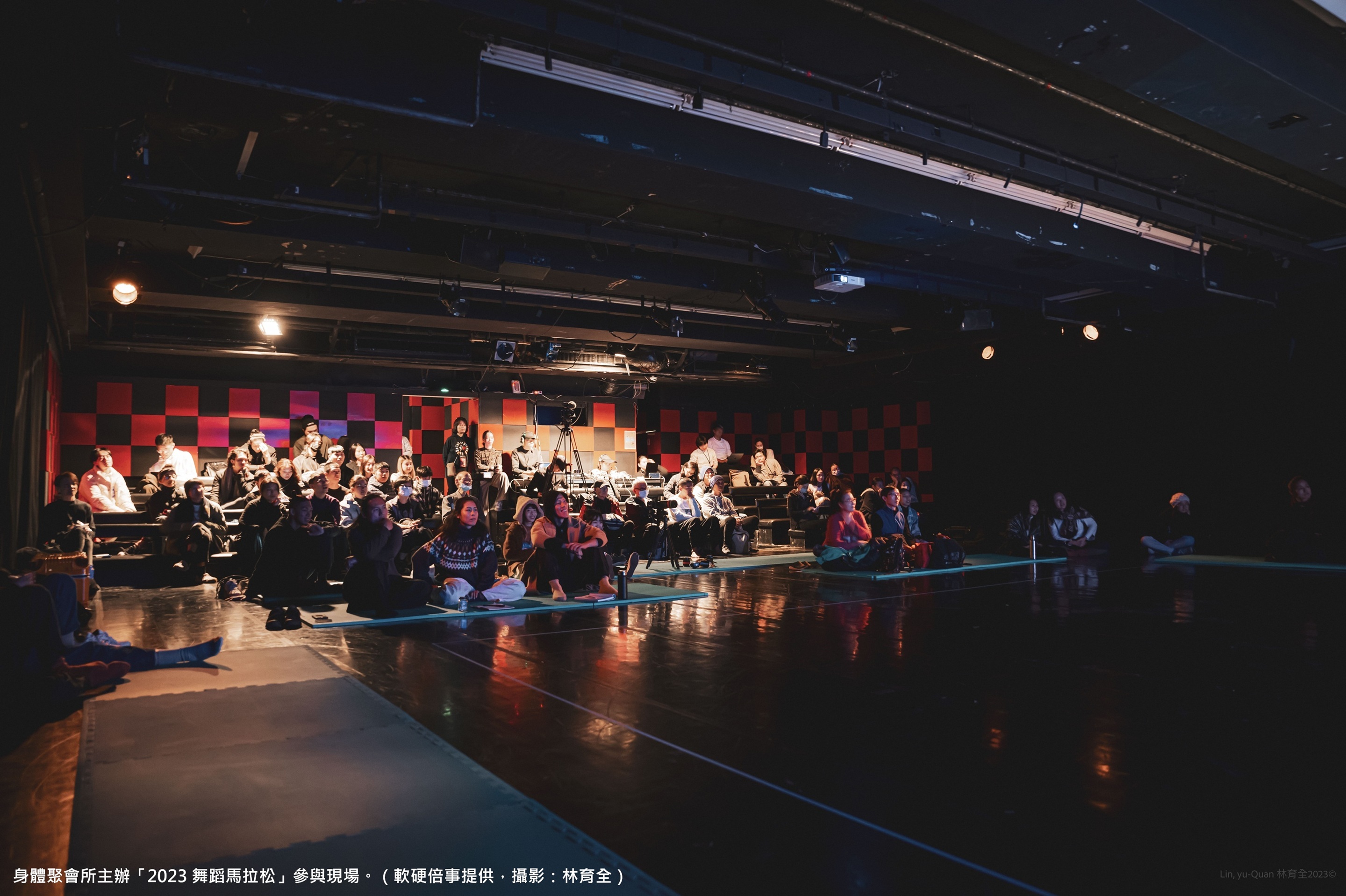
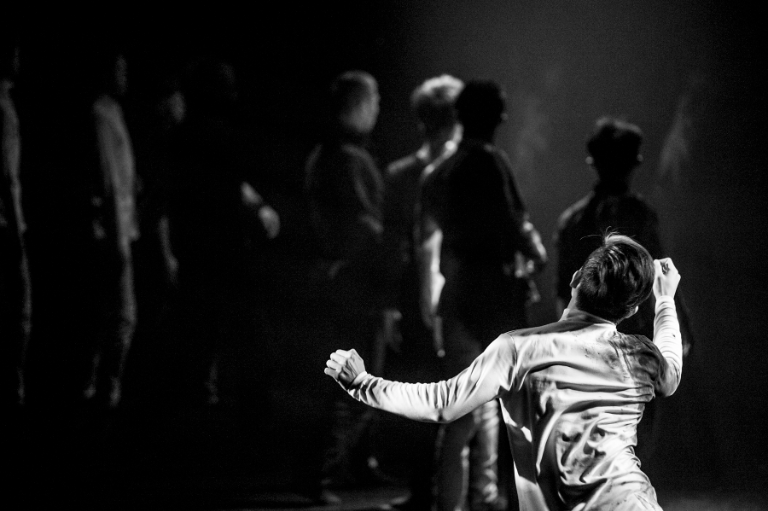
The first day of The 2023 Dance Marathon, organized by Fist and Cake Production (Photographer: Lin Yu-Quan)
The first day of The 2023 Dance Marathon, organized by Fist and Cake Production (Photographer: Lin Yu-Quan)
In addition to the pandemic as an immediate catalyst for gathering, the abovementioned structural and generational transformations within the dance sector – namely, the proliferation of venues and the reshaping of Taiwan’s dance scene over the past decade – also characterize the development of platforms. We see a list of platforms organized by the institutions before and during the pandemic: the National Kaohsiung Center for the Arts (Weiwuying)’s Taiwan Dance Platform (2016–), Taipei Performing Arts Center’s Asia Discovers Asia Meeting for Contemporary Performance – ADAM (2017–) and Camping Asia (2019–), and the National Taichung Theatre’s LAB X Arts Interdisciplinary Platform (2020–). Their effort in creative incubation, co-production, and international networking have subtly influenced the emergence and formation of independent platforms or community-building activities. With a dedication to artist-based interdisciplinary and cross-regional connection as well as creative incubation, ADAM and Camping Asia are particular cases that discuss the practice of “co-creation” rather than “co-production” through their focus on curation, creative research, and pedagogical studies. In this respect, the three platforms mentioned earlier – such as the creation-inspired, rather than performance-oriented, Dance Marathon and Taiwan Dancing Forward Collective – can be seen as continuing developments as they highlight ecosystem thinking, creative research and development, and the capability building of individual artists (including skills in networking, pitching, and organizing experiments and teams).
Platforms combining performance-based and capability-building approaches also had significant developments in recent years. These examples include Stray Birds Dance Platform (2019–) and Wan Sha Dance Platform for Choreographers (2021–), both involving dramaturgical support, artist development, and the presentation of completed works. The former is particularly renowned for its growing success in international connections, with Lai Hung-Chung, founder of Hung Dance and artistic director of Stray Bird Dance Platform, envisioning a shift “from a competitive platform to one focusing on the Asian (performing) arts market, creating a space for exchange between artists and curators.”6
Meanwhile, Wan Sha Dance Platform for Choreographers has, starting in 2025, introduced an international artist residency program and continued its practice of “bringing together the young artists of this generation” for creative support. Creating camp-style experiences by living, attending exhibitions and performances together, it fosters thought-provoking discussions in daily life, rather than confining the creative exchange to efficiency-driven work sessions.7 While the capability of independent platforms may not match the scale and resources of major venues, their proactive engagement and the competitive/reflective relation with these venues, as observed from an external perspective, can benefit the performing arts ecosystem by prioritizing creative research to balance the production-oriented approach. Both state venues and independent platforms can serve as more than just “spaces for performances” but “fields to nurture creation and production.”
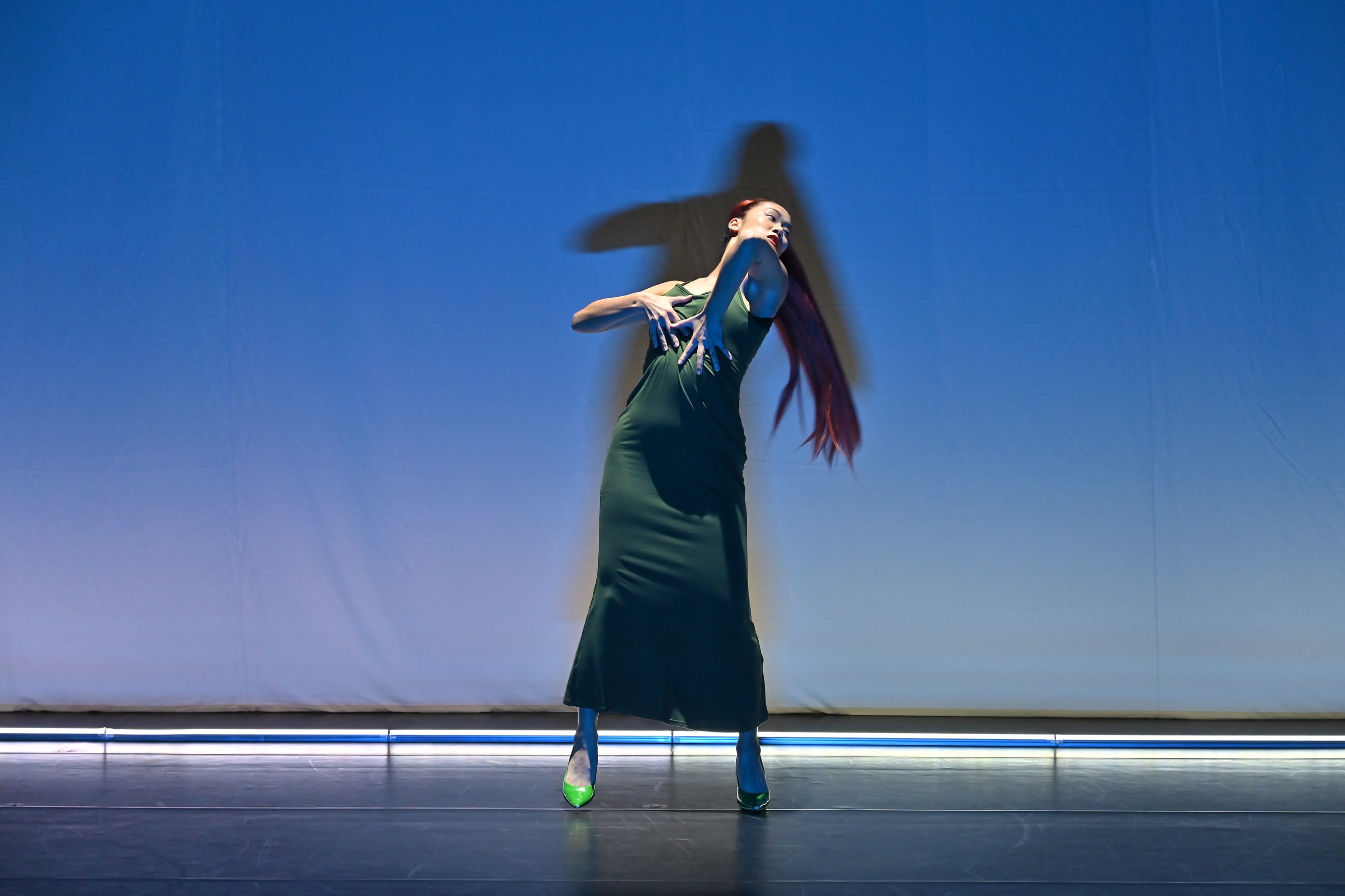
Washa Dance Creation Platform provides creative support, with six works scheduled for presentation in 2024. This image shows a still from Lin Manting’s The Other Side of Swelling, mentored by Chou Shu-Yi.
Archival Work, Historical Retrospection and Curatorial Practices
If building platforms for comradeship explicitly reveals an increasing awareness of “nurturing” in creation/ production, archival work (including research and documentation) serves as the quiet yet equally important foundation. From 2019 to 2022, HORSE Dance Theater organized three seasons of Back to the moment Dancing Talking Bar (funded in 2018 under “Curation”), with each talk featuring a pioneering Taiwanese dance artist from a distinct field to have a dialogue with a scholar/critic who had witnessed or shared the artist’s professional history. Through the screening of recorded dance pieces, Back to the moment brought the speakers and audience back to critical moments in Taiwan’s dance history.
In its third season, Back to the moment expanded its scope to investigate how the post-2000 performing arts ecosystem and cultural policies are reflected in organizations and arts administrators. According to Chen Wu-Kang, artistic director of HORSE Dance Theater, the motivations behind Back to the moment can be summarized in two key aspects: the first is more practical. With the company’s rapidly growing volume of documents, they felt an urgency to archive not only the tangible materials but also the intangible history of the dance company;8 the second is more about a creative approach – to recontextualize the paths of the dance company and its core artists within the broader history of dance. For Chen, such a retrospective interest in both personal histories and the macro-context can be traced back to efforts even before the initiation of Back to the moment, including how his dance-artist wife Yeh Ming-Hwa, inspired by her dramaturg Tang Fu Kuen, began to revisit the practices of those pioneering artists who had significantly influenced her bodily vocabulary when she had not fully understood it. This example illustrates that the archival work of performing arts history, from research to documentation, serving as the groundwork that can profoundly nourish artistic creation, has already become a necessity for private organizations and independent dance groups.
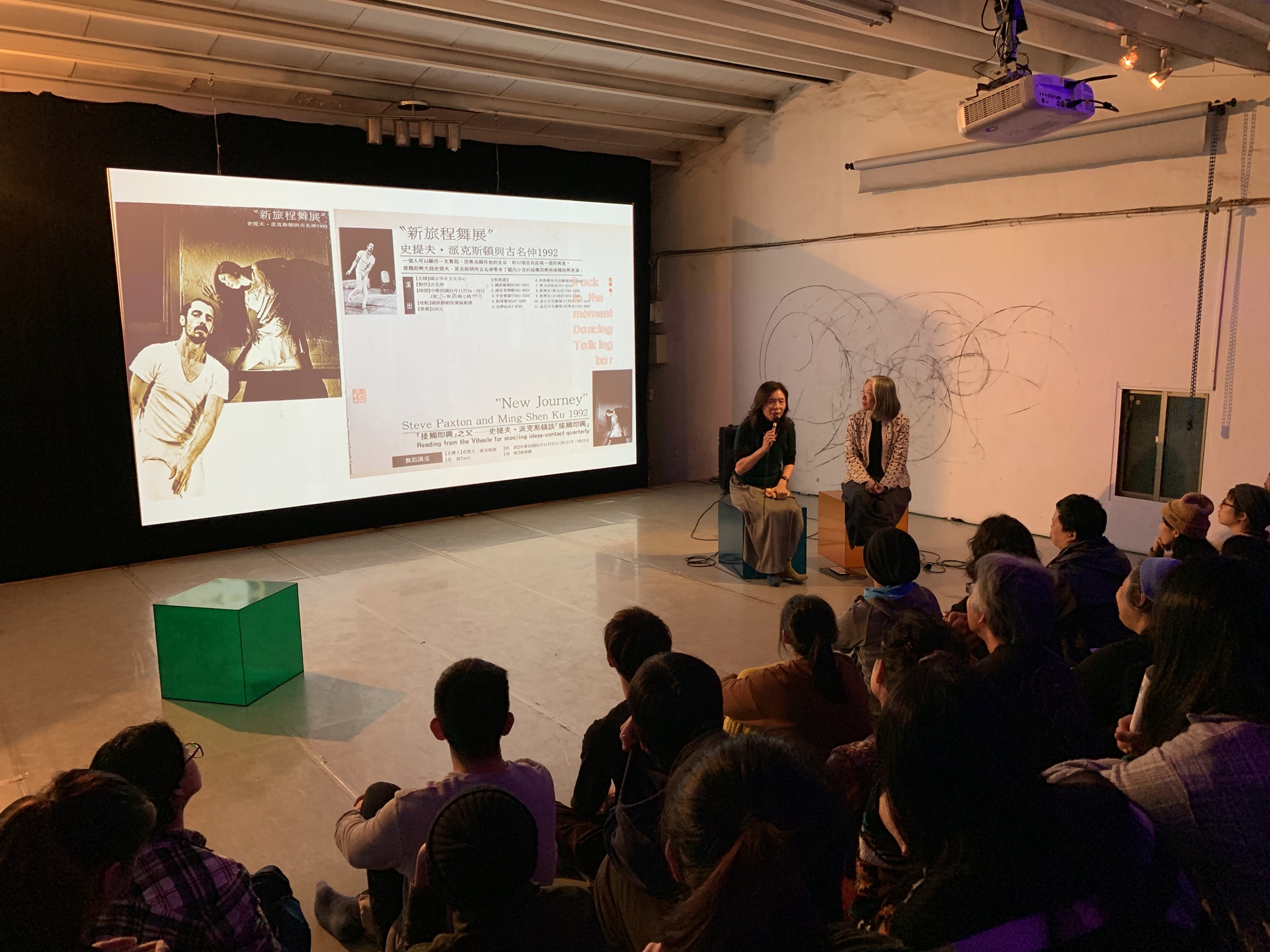
HORSE Dance Theater’s Back to the moment not only featured the screening of recorded dance performances but also a dialogue between its creator and a guest critic . The image shows dance artist Ku Ming-Shen (left) and Lu Chien-Ying (right) in the first talk.
During this period, HORSE Dance Theater was not the only contributor in historical retrospection and archival work as found in the NCAF Online Archive. On the eve of its 30th anniversary, Taipei Capital Ballet applied for funding for its retrospective documentary Ever-Dancing(永舞止靜)(funded in 2021 under “Special Project”) that reflects on the company’s journey over the past three decades. As for Sun-Shier Dance Theatre, they announced on Facebook at the end of 2024 that they would “transform into a creative lab while continuing to archive historical records for donation to the National Taiwan University Library.” In preparation for this transformation, they applied for funding for Writing History for the Future – 2023 Archive Project (funded in 2023 under “Special Project”) and Sun-Shier Salon 20th Anniversary (funded in 2023 under “Performance”) in the year before. The latter was a “reunion” of the 15 choreographers who previously participated in Sun-Shier Salon, presenting 15 short works grouped as three series based on the years of their participation, alongside an introductory video and an archival exhibition to illustrate its 20-year journey.9
No transformation arises from a single motivation. At first glance, we may readily associate “archival work” with the “curatorial trend” in the performing arts over the past decade – and this is not ungrounded. Judging by HORSE Dance Theater’s Back to the moment and their creative practice, archiving personal histories within the broader context can be seen as an artistic exploration. However, a more proactive significance lies in the role of independent groups whose practice clearly demonstrates how research and documentation can serve as the groundwork for artistic creation in a time of increasing venues. On the other hand, if recent events – such as the transformation of the long-established Sun-Shier Dance Theatre and Dance Forum Taipei, the documentary project of Taipei Capital Ballet, and the passing of the torch at Cloud Gate – mark a new phase that reshapes Taiwan’s dance scene, then archival work and retrospective documentation are certainly expected to become a primary focus of Taiwan’s dance society in the coming years.
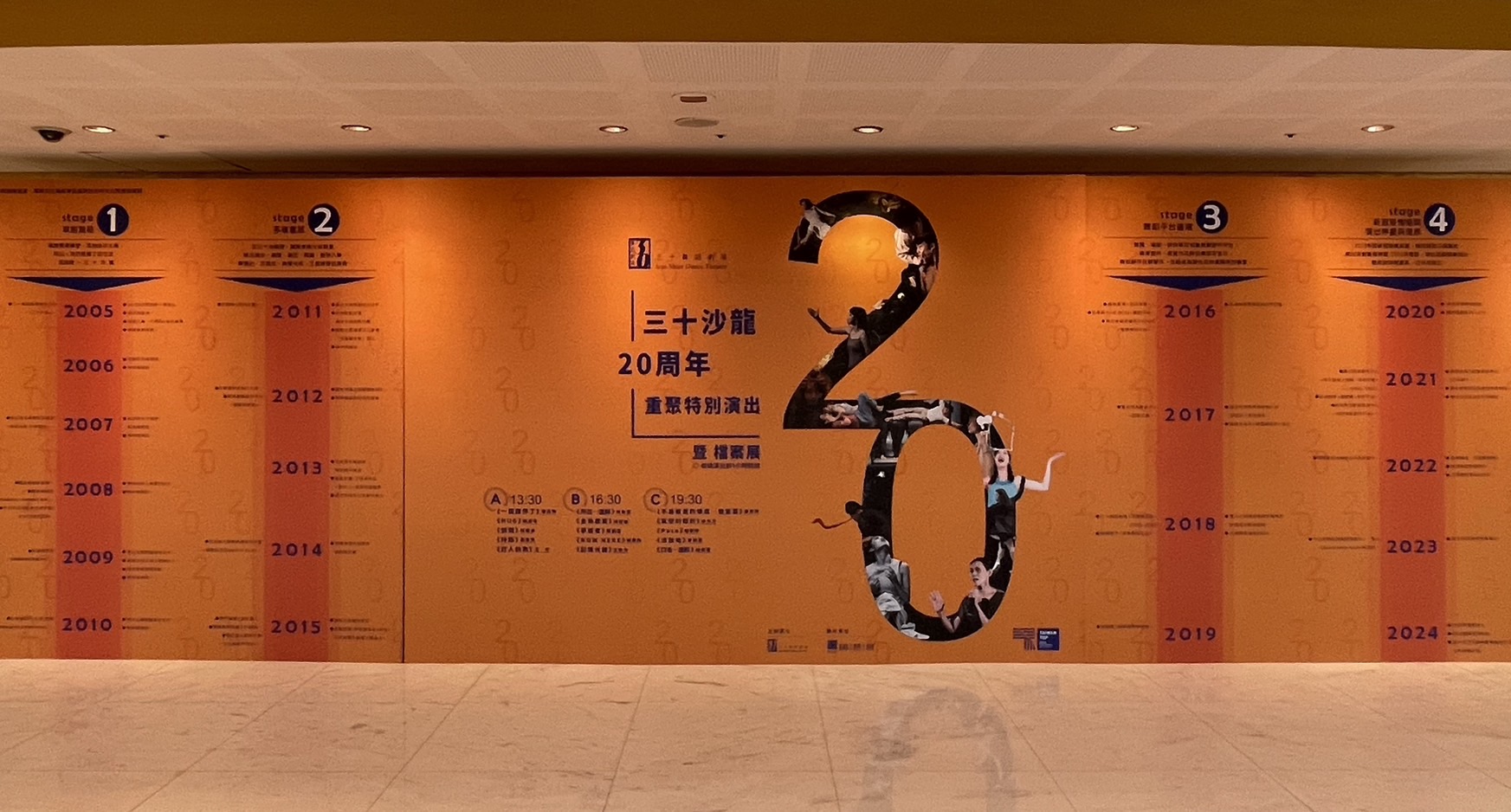
The entrance wall of Sun-Shier Salon 20th Anniversary, presenting a timeline of key moments.
Conclusion and Suggestions
Based on a comprehensive review of the NCAF-funded dance projects in the Regular Grants program between 2019 and 2023 – coordinated within the broader ecosystem under the impact of the COVID-19 pandemic, the evolving role of venues from “hosting sites” to “production hubs, ” and the reshaping of Taiwan’s dance scene – this article offers three key observations as discussed above: the trend of dance video as a creative and reflective medium and reflections on its development ; the development of platforms and collective action; and the growing interest in archival work, historical retrospection, and curatorial creation.
Throughout the research process, it became clear that an analysis confined to the category of “Regular Dance Grants” is not sufficient to capture a complete picture of the ecosystem that involves an interlinked relationship between production and creation. It is often necessary to cross-reference findings with the categories of “Arts Environment and Development” and “International Cultural Exchange.” Furthermore, the impact of the video-technology boom on performing arts remains difficult to discern from the NCAF online archive alone, as such projects are often supported by other major funding sources.
However, a closer look at the annual distribution of grant subcategories reveals an intriguing micro-shift. While “Performance” and “Creation” are typically the two most funded categories, since 2022, “Creation” has gradually fallen behind “Special Project” and “Professional Development (Domestic).” This reversal in proportion does not necessarily imply a competitive relationship between categories. Instead, it reflects the peculiar situation during the pandemic when rehearsals and performances were restricted. It also suggests that the changing ecosystem – including the pandemic, the planning of the funding projects, and the shifting mindset in performing arts production and creation – has implicitly influenced how artists and dance groups envision “creation” in its initial stage. In other words, “creation” has expanded its definition beyond the physical act of rehearsing toward “creating” and a more nuanced practice in artistic development.
NOTE
[1] The completion of this article would not have been possible without the valuable insights generously shared by the interviewees, including Chen Wu Kang, Lai Hung Chung, River Lin, Peng Hsiao Yin, Hsieh Chieh-Hua, and Wang Ning.
[2]According to the NCAF Online Grant Portfolio Archive, the number of funded projects of live performances presented online is relatively limited. However, in an interview with dance video artist Peng Hsiao-Yin, I learned that her dance film team supported many other dance companies in bringing their performances online during the pandemic, including TAI Body Theatre, Tjimur Dance Theatre, and Fevervine Dance Theatre. In fact, Peng’s project demonstrates a much broader scope that would reasonably fall within this category, yet it was not recordedd as such in the NCAF online archive.
[2]According to the NCAF Online Grant Portfolio Archive, the number of funded projects of live performances presented online is relatively limited. However, in an interview with dance video artist Peng Hsiao-Yin, I learned that her dance film team supported many other dance companies in bringing their performances online during the pandemic, including TAI Body Theatre, Tjimur Dance Theatre, and Fevervine Dance Theatre. In fact, Peng’s project demonstrates a much broader scope that would reasonably fall within this category, yet it was not recordedd as such in the NCAF online archive.
[3]The complete titles of the four projects are Contours – Invitation to Australia’s BOLD Dance Festival and Dance Film Theatre Development Project (funded in 2017 under “International Cultural Exchange”), Contours - Dance Film Exhibition (funded in 2017 under “Curation”), Performance for the 30th Anniversary of Australia’s Mirram Arts Centre and the “Circling the Brink” Dance Film Workshop (funded in 2019 under “International Cultural Exchange”), Body–Camera Rediscovery: A Dance Film Workshop (funded in 2019 under “Professional Development - Domestic”).
[4] Quoted from the NCAF-archived records of Mai-Ti Dance Company’s Island-walking Artists Project.
[5] Interview with Peng, September 3, 2025.
[6]Interview with Lai, August 19, 2025.
[5] Interview with Peng, September 3, 2025.
[6]Interview with Lai, August 19, 2025.
[7] Quoted from an interview with Hsieh published by Wan Sha Dance Platform for Choreographers, August 25, 2025.
*Translator: Siraya Pai
More OUTLOOK